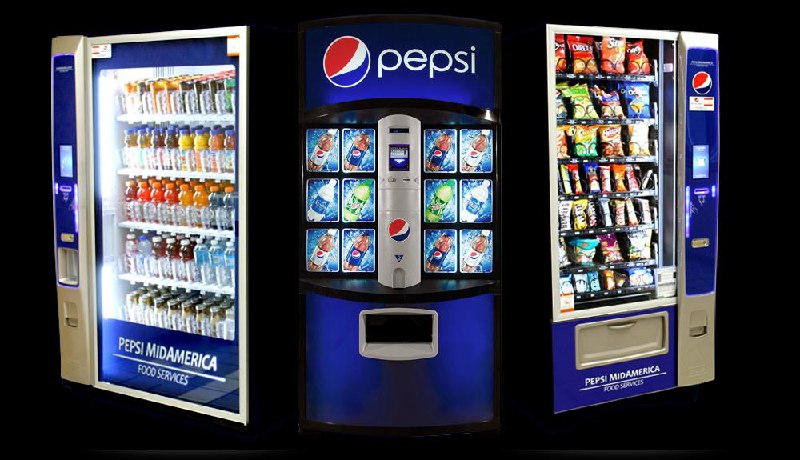
Location determines whether a vending program succeeds or fails. Put machines where workers can't access them, and you've wasted everyone's time. Place them strategically, and you've created a competitive advantage that improves productivity and employee satisfaction.
Break Rooms (The Obvious Choice)
Traditional break room placement works, but it's not the only option. For large facilities, a single break room might be a 5-minute walk from some work areas — too far for a 15-minute break. Consider multiple break room setups or satellite locations closer to high-traffic work zones.
Loading Dock Areas
Loading dock workers often can't leave their stations during active shipping windows. Placing beverage machines near dock doors (but protected from weather) gives these workers access to hydration without abandoning their posts. Key consideration: machines need protection from temperature swings and moisture.
Production Floor Corridors
High-traffic corridors between work areas can support vending machines if there's adequate clearance for both foot traffic and material handling equipment. These locations capture workers transitioning between areas or moving through the facility.
Locker Room and Shift Change Areas
Workers arriving for shift changes or heading to locker rooms represent concentrated foot traffic. Machines placed in these transition zones capture natural break points in the workday.
Forklift Safety and Climate Considerations
Any warehouse vending placement must account for forklift traffic patterns and industrial vehicle clearance requirements. Machines also need protection from extreme temperature zones, humidity, and dust. Most industrial facilities have climate-controlled break areas that provide optimal placement conditions.